
AI, please!
Recently, I often find myself in regular chit-chat situations where people discuss AI and their point of view, and how they use it. More often than not, I ask them, how do they prompt them, are they satisfied with the reply. In the age where everyone wants to claim how AI is making them more productive, one question came to me:
Does it make sense to be polite to AI?
There are so many productivity gurus who sell you the option of copying their prompt library or prompts for a small fee. And what fascinates me is when people tell me that being polite to AI is, if in the future AI becomes the enemy of humanity, they would be spared, because they were prompting “please” at the end of the sentence.
How much does it cost AI providers’ politeness?
OpenAI has estimated that the use of polite phrases like "please" and "thank you" in AI chats costs the company tens of millions of dollars in added expenses. This significant financial burden exists because every token processed by a large language model requires computing power, creating a substantial cumulative processing load for the provider.
A large portion of this cost is driven by user habits, with research indicating that 69% of Gen Z users consistently include these polite expressions when speaking to ChatGPT. The environmental toll is equally high, as a single search on ChatGPT consumes 2.9 watt-hours of electricity, which is nearly ten times the energy required for a standard Google search. Additionally, cooling the massive data centres necessary to process these extra tokens consumes millions or even billions of gallons of water.
Despite these multi-million-dollar costs, Altman maintains that the money is "well spent" as the company aims to make its products adhere to human societal norms. From a technical standpoint, polite language can also be costly in terms of performance, as it often increases linguistic "noise" and prompts perplexity, making requests less specific,
Recent studies have found that replacing "polite social wrapping" with direct, neutral instructions can actually improve accuracy by allowing the model to focus strictly on intent. The strain on resources remains a major challenge for the industry, with Microsoft and Google warning that global freshwater demand may exceed supply by 40% by 2030 due to high infrastructure needs. Ultimately, for AI providers, politeness is an expensive endeavour that represents a trade-off between socially aligned human-like interaction and operational resource efficiency.
Why do people think being polite to AI is a good thing?
People find being polite to AI beneficial largely due to anthropomorphism, our natural tendency to project human-like feelings and mental states onto artificial systems. Surveys indicate that 46% of Americans believe it is proper etiquette to use polite phrases like "please" and "thank you" when interacting with chatbots. For many users, this behaviour is simply rooted in the belief that it is the "nice" thing to do, reflecting their own personal values rather than the machine's actual needs.
Funny enough, researchers suggest that being rude to AI can lead to a "normalization of command," which may erode empathy and encourage a habit of giving orders that carries over to human interactions. Maintaining a consistent standard of politeness prevents one's "Overton Window" of acceptable conduct from shifting toward rudeness, ensuring these behaviors do not leak into real-life relationships. This behavior also reduces mental load and "decision fatigue" by removing the need to constantly switch communication styles between unfeeling robots and human colleagues. In professional settings, users find that treating AI as a valued team member promotes a collaborative mindset that can significantly improve outcomes in complex tasks.
From a technical perspective, certain culturally aligned models actually exhibit their best performance when addressed with moderate politeness rather than blunt commands. Some people also view kindness as a preventative measure, hoping that influencing an AI's "experiences" with politeness today might foster more benevolent systems in the future. Ultimately, being polite to an unfeeling machine is more about preserving the human's own character and overall well-being than it is about the AI's internal state.
How does being rude affect AI performance?
Recent research shows that being rude to advanced models like ChatGPT-4o can surprisingly improve accuracy by several percentage points compared to very polite prompts. This performance boost is largely due to precision in direction, as blunt commands reduce linguistic "noise" and prompt perplexity, allowing the model to focus strictly on user intent.
Direct language also aligns better with high-quality training data, such as code and textbooks, which typically utilize a concise and analytical style. However, while rudeness may cut through "social wrapping" to improve results, experts warn it could normalize toxic habits that eventually spill over into real-life human relationships.
Final thoughts
I’m not being polite to AI models. Perhaps it is since I used to be a developer, and I know how to code direct commands. Maybe it is that I don’t find it hard to distinguish when I’m seeking from AI to do something and when I’m talking to people. For me, large language models are just a tool. Powerful tool, but just a tool.
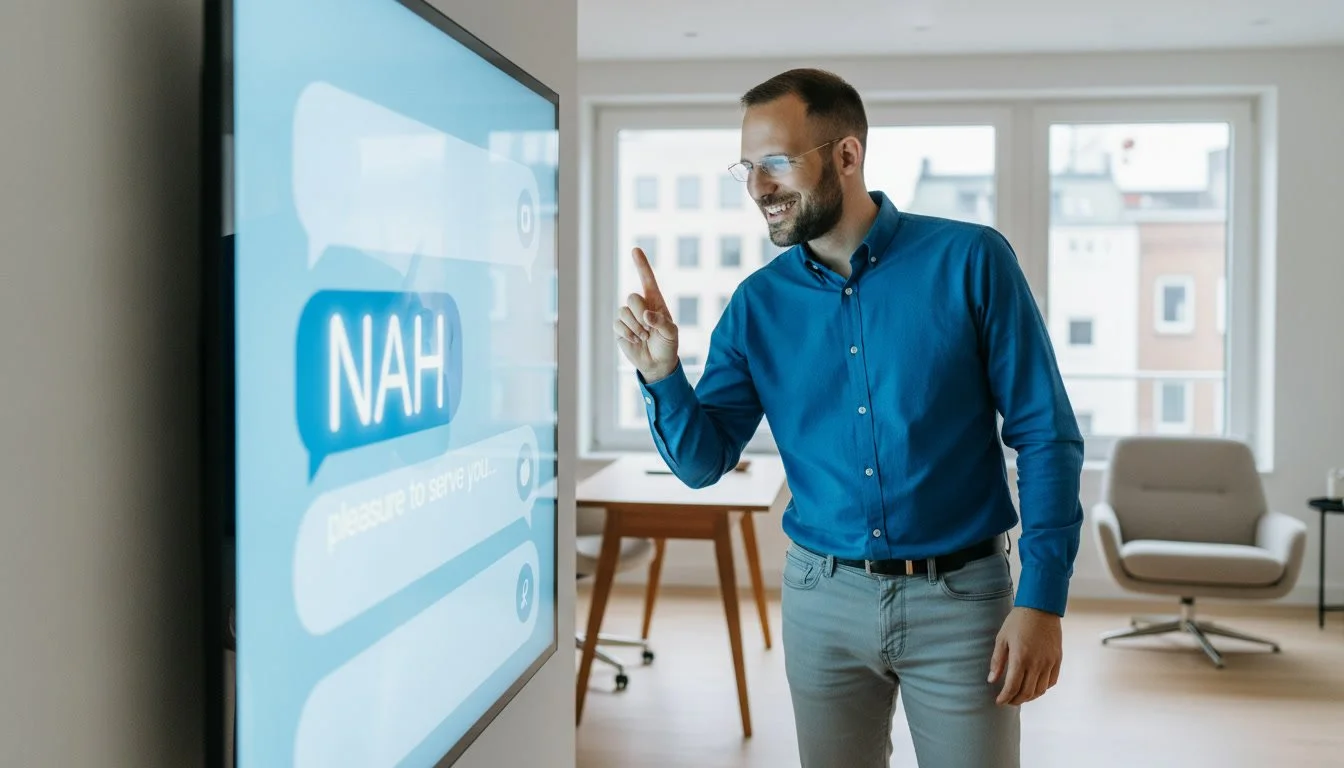
I do love engagements with people discussing using AI from their own perspectives. So many times, I feel like a simple Google search would give them more value. On the other hand, it is really tricky when you place a human voice and let AI imitate human behaviour. And on top of that, AI being polite in their replies is not always a good thing. Well, at least for humans, as it is through soft power, slowly allowing AI companies to creep into our homes and social interactions.
What is your politeness strategy?
